Office Clearance Thornton Heath: Recycling & Sustainability
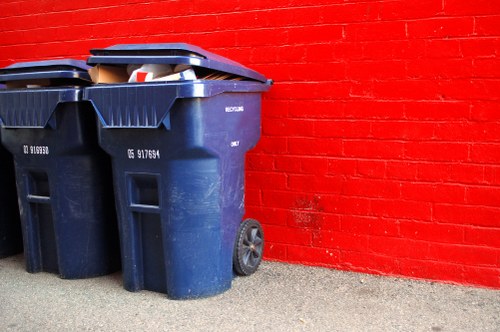 Office Clearance Thornton Heath is committed to creating an eco-friendly waste disposal area for local businesses and organisations. We focus on diverting as much material as possible from landfill by combining careful office clear-outs with targeted recycling and reuse. Our sustainable rubbish area practices are designed to complement the borough's kerbside systems while offering practical, on-site options for furniture, electronics and mixed office waste. We aim to make every clearance a circular outcome.
Every collection follows the borough's approach to waste separation: segregating paper and cardboard, glass, metals, plastics, and food/organic waste where applicable. In collaboration with local estates and building managers we support mixed recycling streams and source-separate materials when required. The emphasis on separation at the point of removal helps us meet regulatory expectations and boosts overall recycling rates when material reaches transfer points.
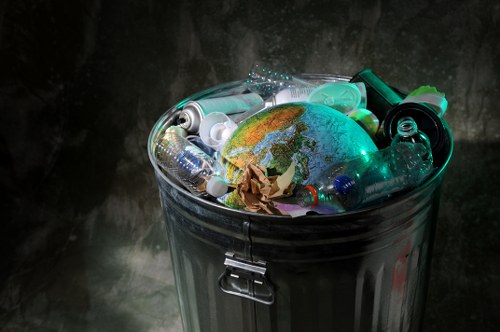 Our recycling percentage target is clear and measurable: a 70% recycling rate for diverted office waste within 24 months of implementation. That target covers reuse, repair, refurbishment and material recycling. To achieve this we track volumes of paper, cardboard, plastics, WEEE (waste electrical and electronic equipment), furniture and mixed commercial waste, reporting on progress and continuously refining collection and segregation practices.
Local Transfer Stations and Sustainable Hubs
We use authorised local transfer stations and regional waste hubs in Croydon and neighbouring boroughs to ensure that recovered materials are handled through accredited channels. These transfer stations accept separated streams and consolidate loads for onward recycling — reducing double-handling and keeping the carbon footprint low. By routing materials through recognised facilities we maximise recycling outcomes and support the borough's wider waste management strategy.
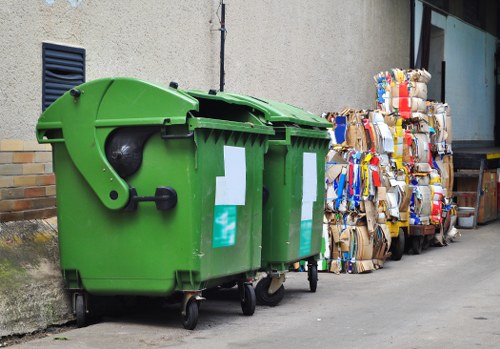 Logistics are central to our low-impact approach. Our fleet of low-carbon vans — a mix of electric and hybrid vehicles — is scheduled to minimise mileage and idling. These vehicles are maintained to reduce emissions and we prioritise short transfer runs to local hubs rather than long trunk routes to distant facilities. This lowers transport-related emissions while speeding up the journey from office to recycling stream.
We also partner with licensed material processors to ensure that segregated streams reach the right recovery route: paper and cardboard to pulping and recycling; glass and metals to dedicated recyclers; plastics to accredited reprocessors; and functional electronics to responsible WEEE channels. Material quality is improved by good on-site separation at the time of clearance.
Charity Partnerships and Reuse Initiatives
Charitable donation is a priority for items with reuse potential. We maintain active partnerships with local and national charities, including community groups and furniture re-use networks, to give office furniture and working equipment a second life. Examples include donating office desks and chairs to community projects, and passing reusable IT equipment to charities that support digital inclusion. These relationships reduce waste, support local needs, and align with our sustainable rubbish area objectives.
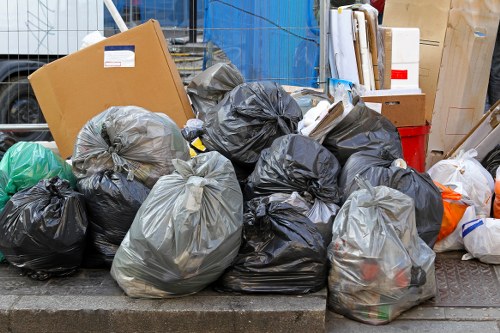 Our partnerships are structured so that items suitable for reuse are diverted before recycling. When an item can be refurbished it is processed through a repair partner or charity; where refurbishment isn’t viable we recover recyclable components. This tiered approach — reuse first, then recycling — is fundamental to achieving our recycling percentage target and reducing embodied carbon in office fit-outs.
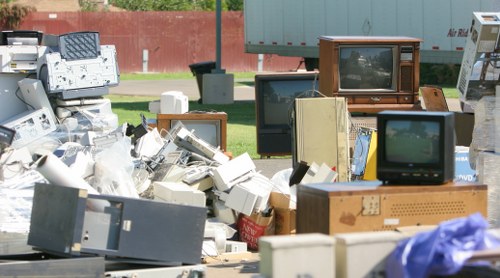 Practical measures that help us deliver on sustainability include:
- On-site segregation: clear bins and labelling to separate streams at the point of clearance;
- Reuse-first policy: internal assessment to identify items for donation, resale or refurbishment;
- Low-carbon transport: scheduled electric/hybrid collections and route optimisation;
- Local transfer stations: consolidation at nearby waste hubs to shorten haulage distances;
- Verified partnerships: charities, re-use networks and authorised recyclers for traceable outcomes.
The benefits for Thornton Heath businesses are practical and measurable: lower disposal costs, reduced environmental impact, and a clear audit trail showing where material went and how much was reused or recycled. Our reporting includes breakdowns by stream so organisations can demonstrate progress against internal sustainability commitments and broader borough targets.
We actively support local recycling campaigns and are responsive to Croydon Council's evolving policies on waste separation and resource recovery. That collaborative stance helps us align collections with seasonal changes in recycling behaviour and emerging opportunities for reuse. As local reuse centres and transfer stations expand their capabilities, we adapt our practices to channel more material into higher-value recovery pathways.
Choosing a sustainable office clearance solution in Thornton Heath means selecting a service that prioritises an eco-friendly waste disposal area and a robust approach to the sustainable rubbish area. From low-carbon vans to charity partnerships and nearby transfer station routing, each element is designed to reduce landfill, increase circular outcomes and support the community's green ambitions.
Our long-term ambition is to exceed the initial 70% recycling percentage target and to continuously refine logistics, reuse pipelines and material handling so that more office-origin waste is returned to productive use. This is about building a resilient, local circular economy — one clearance at a time.
