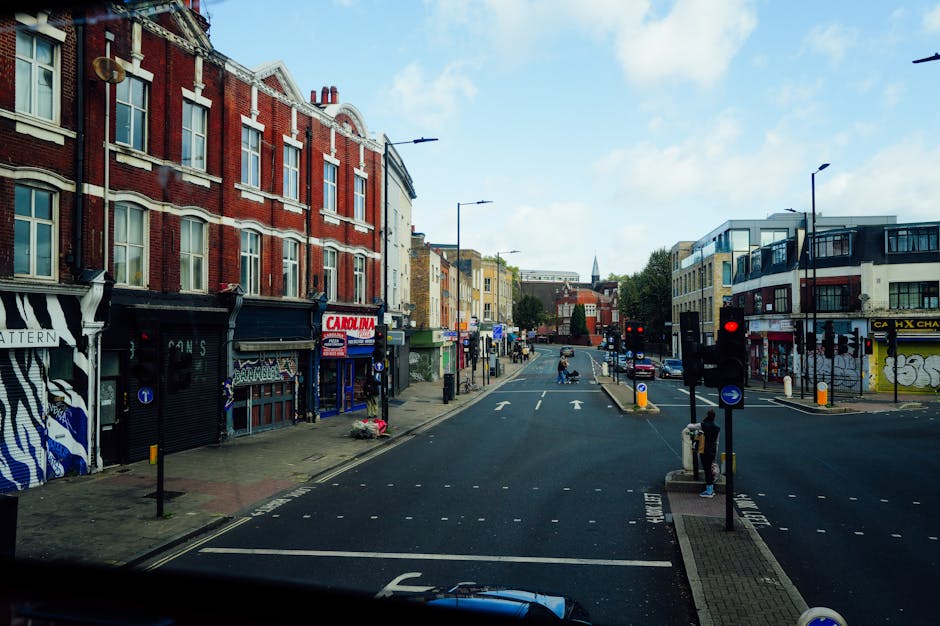
Dealing with Fly-Tipping in Thornton Heath: Quick Action
Fly-tipping has a nasty habit of turning up at the worst possible time. One minute a side passage, shopfront, driveway, or communal bin area looks ordinary; the next, it is blocked by black bags, broken furniture, plasterboard, or a pile of builders' waste that smells faintly of damp cardboard and old paint. If you are dealing with fly-tipping in Thornton Heath: quick action, the main goal is simple: protect safety, document the mess, and get the right response moving as soon as possible.
This guide walks you through what fly-tipping means in practice, why speed matters, how to handle it calmly, and what good next steps look like for homeowners, landlords, tenants, businesses, and managing agents in Thornton Heath. You will also find a checklist, a comparison table, and the kind of practical detail people usually wish they had before the rubbish starts spreading in the wind. To be fair, it is rarely just about "getting rid of junk" - it is about avoiding delays, risks, and extra costs.
Table of Contents
- Why Dealing with Fly-Tipping in Thornton Heath: Quick Action Matters
- How Dealing with Fly-Tipping in Thornton Heath: Quick Action Works
- Key Benefits and Practical Advantages
- Who This Is For and When It Makes Sense
- Step-by-Step Guidance
- Expert Tips for Better Results
- Common Mistakes to Avoid
- Tools, Resources and Recommendations
- Law, Compliance, Standards, or Best Practice
- Options, Methods, or Comparison Table
- Case Study or Real-World Example
- Practical Checklist
- Conclusion
- Frequently Asked Questions
Why Dealing with Fly-Tipping in Thornton Heath: Quick Action Matters
Fly-tipping is more than an eyesore. In a busy place like Thornton Heath, waste dumped on pavements, alleys, forecourts, loading bays, or shared access routes can quickly become a safety issue, a neighbour dispute, and a reputation problem all at once. A loose mattress can block a passage. A broken fridge can leak. Bags of mixed waste can attract vermin if they are left too long. And if the weather turns, the whole pile can spread faster than you would expect.
Quick action matters because the longer waste sits, the harder it becomes to manage. A small dump can turn into a larger one if people see a "free space" and add more rubbish. That is one of those frustrating local realities, and it happens more often than people think. Once the pile grows, removal can take longer, access may be trickier, and the job may need more careful sorting.
There is also a trust angle. If you manage a property, operate a business, or look after a residential block, people notice how quickly you respond. A prompt, sensible response says the site is cared for. A slow one says the opposite. That can affect tenants, customers, and even passers-by who are deciding whether the place feels safe and maintained.
In practice, dealing with fly-tipping quickly is about three things:
- Safety - keeping people away from sharp objects, heavy items, and unknown waste.
- Control - stopping the situation from getting bigger or more complicated.
- Evidence - capturing enough information before the waste is moved or disturbed.
And yes, there is a human side to it too. If you have ever stood outside on a grey morning staring at a heap of dumped rubble, you will know the feeling. It is annoying, yes, but it is also fixable. The trick is knowing what to do first.
How Dealing with Fly-Tipping in Thornton Heath: Quick Action Works
"Quick action" does not mean rushing in blindly. It means following a sensible sequence that reduces risk and gets the waste handled properly. In most real situations, the process starts with inspection, then documentation, then a decision about removal, reporting, and site clean-up. Simple enough on paper. A bit less simple when the pile is mixed waste, access is tight, or no one wants to admit ownership.
In local residential streets and shared premises, the process often looks like this:
- Check the area from a safe distance. Look for hazards such as needles, broken glass, chemical containers, sharps, or unstable furniture.
- Record what you can. Take clear photos if it is safe to do so. Note the location, approximate size, and any obvious identifying details.
- Decide whether the waste is urgent. If it is blocking access, creating a hazard, or likely to spread, it needs faster handling.
- Separate reporting from removal. If the dumping seems illegal or includes evidence, it may need to be reported before anything is disturbed.
- Arrange the right collection method. That could mean a licensed clearance service, a waste transfer route, or a site-specific response for bulky items.
- Finish with prevention. Think lighting, access control, signage, bins, or regular monitoring so the same spot is less likely to be hit again.
One detail people sometimes miss: not every dump is the same. A bag of household waste, a sofa, a pile of renovation debris, and a load of mixed commercial rubbish each carries different handling needs. A good response takes the waste type seriously rather than treating everything as a generic "clear it later" job.
For businesses and landlords, this often means coordinating removal with tenancy changes, refurbishment work, or day-to-day site access. If your property also needs emptying services, it can help to look at related options such as house clearance in Thornton Heath or broader house clearance services when the dump includes old contents, stored clutter, or mixed domestic items.
Key Benefits and Practical Advantages
Fast, well-managed action brings more than a clean-looking pavement. It reduces stress, protects people, and saves time in the long run. That last part matters. Let rubbish sit too long and the job usually gets messier, not cheaper. Bit grim, but true.
| Benefit | What it means in practice | Why it matters locally |
|---|---|---|
| Safety | Hazards are dealt with before anyone gets hurt. | Shared walkways, alleyways, and car parks stay usable. |
| Faster resolution | Less time spent chasing a problem that keeps growing. | Helps in busy neighbourhoods where space is tight. |
| Cleaner presentation | Your property or site looks cared for again. | Important for landlords, shops, and managed blocks. |
| Better evidence | Photos and notes are captured before removal. | Useful if the incident needs to be reported or investigated. |
| Lower repeat risk | Weak spots can be identified and improved. | Stops the same location becoming a habitual dumping point. |
Another practical advantage is clarity. When people know there is a proper process, they stop guessing. Is it household waste or trade waste? Is it dangerous? Can it be moved now? Should it be reported first? Clear answers make better decisions, and better decisions usually cost less than muddling through.
There is a quieter benefit too: peace of mind. If you are responsible for a site, removing the uncertainty is often half the battle. You can get on with the day instead of keeping one eye on the pile every time the front door opens.
Who This Is For and When It Makes Sense
This kind of quick-response guidance is useful for a surprisingly wide group. Fly-tipping does not politely limit itself to one type of property. It can happen behind a terrace, beside a retail unit, near a block of flats, around a shared bin store, or in a rear service alley where someone has decided, for reasons known only to them, that dumping a sofa is a fine life choice.
You are likely to need a prompt approach if you are:
- A homeowner dealing with dumped waste outside your property or in a side return.
- A tenant who has found rubbish left near a shared entrance or bin area.
- A landlord or letting agent trying to protect a property between tenancies.
- A shop owner or business manager facing dumped packaging, furniture, or builder's waste near trading space.
- A property manager or freeholder responsible for communal areas and access routes.
- A contractor who needs an orderly site after works have finished.
It also makes sense when the waste is small but awkward. A few bags may not look dramatic, yet if they block bins, attract more dumping, or contain something sharp, they need attention. Likewise, a single bulky item can be a bigger problem than it appears if it is in the wrong place.
If you are comparing support options for larger clear-outs, you may also find it useful to review rubbish removal services and garage clearance options, especially where fly-tipped waste overlaps with stored clutter or bulky household items. The right choice depends on the contents, access, and how quickly the site needs to be made safe.
Step-by-Step Guidance
If you want the shortest useful version, here it is: stay safe, document the issue, decide what needs urgent handling, and then arrange proper removal. But let's break that down properly, because in the real world the details matter.
1. Do a quick safety check
Before touching anything, look for obvious hazards. Broken glass, loose nails, syringes, leaking fluids, asbestos-like materials, or sealed containers with labels should all be treated cautiously. If the waste looks dangerous, keep back and do not start shifting items around casually.
2. Take clear photos and notes
Photos help establish what was there before it moved. A wide shot shows the location; a closer shot may show packaging, labels, or other clues. Make a note of the time, date, access point, and whether the waste is affecting bins, entrances, or parking. A quick phone note is usually enough. Nothing fancy.
3. Work out whether it is urgent
Ask yourself: is someone at immediate risk? Is the site blocked? Could the waste spread or be added to overnight? If the answer is yes, treat it as urgent. A small delay can make the job much harder. Especially if rain gets in, or if people keep walking past it every hour.
4. Report where reporting is appropriate
If you believe the waste is fly-tipped illegally, or if there is evidence that might be needed for a report, handle that before removal where possible. Do not assume the council, landlord, or management company already knows about it. Sometimes they do. Often they do not. A short, accurate report saves a lot of back and forth.
5. Choose the right clearance route
For straightforward waste, a clearance service can remove items quickly and leave the area ready to use. For mixed loads, bulky waste, or sites with access issues, the collection method may need planning. If the dump includes old household contents, waste from refurbishment, or multiple item types, it is worth using a service that can handle sorting properly.
6. Confirm what happens after collection
Ask what will happen to the waste, whether anything will be separated, and how the area will be left. If a crew is working in a shared or public-facing space, it is reassuring to know they will tidy the last bits, not just take the obvious pile and disappear at speed. Small thing, but it matters.
7. Prevent the same spot from being targeted again
Once the area is clear, look at why it was easy to dump there in the first place. Poor lighting? Broken gate? No bin control? Low visibility? Prevention is often modest and practical, not dramatic. Better lighting, routine inspections, and access control can make a real difference.
Expert Tips for Better Results
Good fly-tipping response is rarely about doing one big heroic thing. It is usually about doing several small things in the right order. Here are a few habits that make the process cleaner and calmer.
- Photograph before moving anything. Once waste is disturbed, evidence can be lost.
- Keep a short incident log. Even a basic record of dates and locations helps spot repeat dumping.
- Separate ordinary rubbish from suspicious items. Not everything should be treated the same way.
- Use clear access instructions. If a collection team needs gate codes, parking notes, or times to avoid, say so early.
- Think about edges and corners. Fly-tipping often happens where people think they won't be seen.
- Check nearby bins and overflows. Sometimes the dump is aggravated by bin capacity issues, not just bad behaviour.
One small but useful idea: if your site has had repeated dumping, walk the area at different times of day. Early morning often shows one picture; late evening shows another. The light changes, the foot traffic changes, and you may notice access weaknesses you would otherwise miss. It is a very ordinary sort of detective work, but it helps.
And yes, sometimes the fix is annoyingly mundane: a better lock, a clearer sign, a quicker collection routine. Not glamorous. Effective, though.
Common Mistakes to Avoid
Most problems with fly-tipping get worse because someone tries to solve them in the wrong order. The issue is not usually bad intent. It is haste, uncertainty, or trying to be helpful without knowing the risks.
- Moving suspicious waste without checking it first. If there may be sharps, chemicals, or contaminated materials, stop.
- Throwing away potential evidence. Labels, delivery notes, and packaging can matter.
- Leaving waste in a half-cleared state. This can invite more dumping and create a bigger mess.
- Assuming someone else will report it. Sometimes they will not, and the delay costs time.
- Choosing a clearance method that does not match the waste type. Bulky furniture is not the same as mixed renovation debris.
- Ignoring prevention after removal. If the access point stays weak, the problem may return.
Another common one: people focus on the pile and forget the surrounding area. The ground underneath can be wet, slippery, stained, or strewn with tiny debris. That is where people slip, or where a wheelbarrow catches awkwardly. Small detail, but these are the little things that trip you up.
Tools, Resources and Recommendations
You do not need a van full of specialist gear to respond well to fly-tipping, but a few basic tools make things easier. Even for simple jobs, preparation saves time.
- Phone camera for photos and time-stamped notes.
- Heavy-duty gloves for safe handling where appropriate.
- Visible bags or containers for separating smaller loose items.
- Barrier tape or temporary signage if an area needs to be kept clear.
- Clipboard or digital checklist for incident logging.
- Basic lighting or torches for checking rear access areas during darker hours.
For larger or repeated issues, it can help to use a service that understands both clearance and site presentation. If you are dealing with multiple item types, you might also look at related pages such as office clearance support if the dumping involves workplace contents, or shed clearance services where the waste includes old tools, timber, or garden clutter. Different problems, same need for tidy, compliant removal.
If the issue comes with damage, leaks, or access problems, a fuller property clearance approach may be more practical than trying to patch together several separate jobs. The key is matching the response to the site. That sounds obvious, I know, but it is where many people save time once they stop improvising.
Law, Compliance, Standards, or Best Practice
Fly-tipping is not just a nuisance; it can also touch on legal and duty-of-care issues. In the UK, waste should be handled carefully and passed to the right kind of carrier or service. If you are responsible for a property, business, or managed site, it is sensible to make sure waste is collected and disposed of through proper channels rather than through informal arrangements.
There are a few practical principles worth keeping in mind:
- Do not assume waste belongs to the nearest person or property. Ownership may be unclear.
- Be cautious with hazardous or unknown materials. These need more than a quick lift and load.
- Keep records where appropriate. Notes about the incident, contractor, and collection can be helpful.
- Use competent, properly arranged clearance methods. Especially where mixed waste, access limitations, or commercial material is involved.
Best practice is really about being tidy, traceable, and sensible. If something is unusual, treat it as unusual. If something may be dangerous, do not guess. And if a site has repeat problems, look at prevention rather than just cleanup. That is the difference between chasing the problem and actually managing it.
For landlords and managers, it is also wise to keep a consistent process for reporting, documenting, and arranging removals. A simple internal routine helps reduce disputes later. Not glamorous admin, but useful. Very useful.
Options, Methods, or Comparison Table
When people need fly-tipping dealt with quickly, they usually choose between a few broad approaches. The right option depends on volume, risk, access, and whether the waste is mixed or straightforward.
| Method | Best for | Strengths | Watch-outs |
|---|---|---|---|
| DIY clear-up | Very small, safe, simple waste | Quick if the site is secure and the waste is harmless | Risky if items are sharp, heavy, or unknown |
| Managed collection | Routine domestic or bulky waste | Convenient and usually more efficient | Needs clear access and clear instructions |
| Specialist clearance | Mixed, awkward, or larger dumps | Better for complex sites and larger volumes | May need more planning and a site visit |
| Report first, remove after | Potentially illegal or evidential waste | Protects any needed information | Can take longer before the area is cleared |
If the pile is small and clearly safe, a simple collection may be enough. If the contents are mixed, heavy, or suspicious, the better route is usually a more structured clearance approach. There is no prize for doing the wrong job in the fastest way.
Case Study or Real-World Example
A common Thornton Heath scenario goes something like this: a rear access lane beside a small row of flats wakes up to find a dumped mattress, three black bags, a broken chair, and some bagged renovation offcuts. It is early, the lane smells damp, and a couple of residents are already stepping around the mess on their way out. The waste is not huge, but it is awkward enough that it starts causing complaints almost immediately.
The sensible response is fairly straightforward. First, someone photographs the scene and notes the location. Next, they check for sharp items or anything that looks like it could leak. The items are then classified: bulky domestic waste, mixed bags, and light construction debris. Because the lane is shared, the priority is fast removal with proper disposal rather than letting the pile sit there while everyone waits for someone else to act.
Once the waste is collected, the access route is checked for repeat dumping risks. In this kind of case, the real improvement often comes from small changes: clearer access rules, a better-lit corner, or a review of where bins are stored. Nothing dramatic. Just practical. And that is often enough to stop the same patch being used again.
That is the point worth remembering: quick action is not only about speed, it is about finishing the job properly so the problem does not quietly return next week.
Practical Checklist
Use this before, during, or just after you discover fly-tipped waste.
- Check for hazards before approaching.
- Take wide and close photos if safe.
- Note the time, date, and exact location.
- Look for labels, packaging, or other identifying details.
- Decide whether the waste is blocking access or creating immediate risk.
- Report the issue if that is appropriate for the situation.
- Arrange the right clearance method for the waste type.
- Confirm what happens to the waste after collection.
- Clean the surrounding area, not just the obvious pile.
- Review prevention measures so it does not happen again.
Expert summary: The best fly-tipping response is calm, quick, and methodical. Protect safety first, capture evidence second, and remove waste through a proper route before the problem grows legs. That simple pattern saves time, money, and a lot of hassle.
If you are deciding your next move right now, focus on the basics: safety, evidence, and proper removal. For larger clear-outs or mixed waste situations, it is often worth exploring related services such as flat clearance or house clearance so the whole job is handled in one sensible pass.
Get a free quote today and see how much you can save.
Conclusion
Dealing with fly-tipping in Thornton Heath quickly is not about panic. It is about steady, practical action that keeps people safe and stops a small mess becoming a bigger one. If you document the waste, assess risk carefully, and choose the right removal route, you are already ahead of most delayed responses.
Whether the problem is a single dumped item or a full mixed pile, the same principles apply: act early, keep records, and clear the site properly. That approach protects the property, reduces repeat incidents, and makes life easier for everyone who uses the space. And truth be told, once the rubbish is gone and the area feels normal again, the relief is immediate. You can almost hear the place breathe out.
Small action, done quickly, makes a big difference.
Frequently Asked Questions
What should I do first when I find fly-tipped waste?
Start with safety. Do not touch anything yet. Check for sharp objects, leaks, or unstable items, then take photos and notes if it is safe to do so. After that, decide whether the waste needs urgent removal or reporting before removal.
Can I move the waste myself?
Only if it is clearly safe, light, and not contaminated or suspicious. If there is any doubt about sharps, chemicals, heavy furniture, or mixed construction waste, it is better not to improvise. A bad lift can turn one nuisance into two problems.
How quickly should fly-tipping be dealt with?
As quickly as possible, especially if it blocks access, affects tenants or customers, or could spread. A fast response is especially useful in shared spaces where the waste can attract more dumping or create a safety issue.
Why is fly-tipping such a problem for landlords and managers?
Because it affects safety, presentation, and responsibility. It can also trigger complaints, complicate access, and create extra admin. If it happens repeatedly, it may point to a site issue that needs prevention, not just clean-up.
What kind of waste is most awkward to clear?
Mixed waste is often the most awkward because it may include bulky items, bagged rubbish, and materials that need different handling. Renovation debris, old furniture, and anything with unknown contents can also slow things down.
Should I report fly-tipping before removing it?
If the waste may be linked to an incident, contains evidence, or needs formal reporting, yes, it is wise to document it first. Once it is removed, some useful information can be lost. If the site is unsafe, though, safety still comes first.
How can I stop the same spot being used again?
Look at access and visibility. Better lighting, secure gates, clearer signage, routine checks, and more reliable bin management can all help. Repeated dumping usually means there is an easy opportunity somewhere.
Is fly-tipping the same as normal rubbish removal?
Not quite. Normal rubbish removal is planned and agreed. Fly-tipping is dumped waste that may be illegal or unknown. That means you often need to think about reporting, evidence, and safe handling as well as removal.
What if the dumped items seem dangerous?
Do not handle them casually. Keep people away, avoid disturbing the area, and treat the situation with caution. If you suspect hazardous waste, it needs a more careful response than a standard clearance.
Do I need photos of the fly-tipped waste?
Yes, if it is safe. Photos help show what was there, how much there was, and whether there were obvious identifying clues. Even a couple of clear images can be useful later if questions come up.
What is the benefit of using a clearance service rather than waiting?
The main benefit is speed with less hassle. A proper service can remove the waste efficiently, help sort the contents, and leave the area tidy. That saves time and helps prevent the site becoming a repeat dumping point.
What if the waste is outside a business premises?
Then the impact can spread beyond cleanliness. It can affect customers, deliveries, and the way the site is perceived. Quick removal is often worth it simply because a cluttered front area can put people off before they even step inside.